
भारत के लिए practical guide: बिना उचित factual basis के किसी review को fake कहने का risk क्या है और suspicious review को अधिक precision से कैसे report करें.
क्यों Unsupported Fake-Review Accusation खुद एक नया Risk बनाती है
किसी hostile Google review से business को वास्तविक नुकसान हो सकता है, फिर भी अगर वह बहुत जल्दी review को fake कह दे तो अपना ही file कमजोर कर सकता है. भारत में practical question सिर्फ यह नहीं है कि review नुकसान कर रही है या नहीं. सवाल यह है कि क्या business के पास इतना reasonable factual basis है कि वह report करने से पहले review को non-genuine, conflicted, fabricated या manipulated कह सके.
यह फर्क इसलिए महत्वपूर्ण है क्योंकि Google reporting, public reply और consumer-law posture एक जैसी चीजें नहीं हैं. कोई review false, exaggerated, mixed, unfair या बहुत harmful हो सकती है, फिर भी जरूरी नहीं कि वह fake-review category में आए. Fake flag दबाने से पहले business को देखना चाहिए कि file सच में fake engagement support करती है या कोई और route ज्यादा strong है: misleading factual content, conflict of interest, impersonation, harassment, personal information, या Department of Consumer Affairs scheme for Indian Standard 19000:2022 on online consumer reviews के light में कोई narrower route.

इसे Fake कहने से पहले Evidence Checklist
File में full URL, reviewer profile, star rating, exact wording, images, timestamps, visible edits, owner replies और profile पर review की position को preserve करें. Internal checks यह रिकॉर्ड करें कि reviewer booking, invoice, support ticket, patient file, delivery log या complaint record से match करता है या नहीं. Clear no-match तभी useful होता है जब search method properly documented हो.
Pattern evidence अक्सर customer check जितना ही महत्वपूर्ण होता है. Repeated wording, unusual timing, new profiles, hidden employee या agency links, competitor overlap, payment demands या coordinated review waves देखें. Suspicion और proof को अलग रखें. Solid evidence के बिना competitor, ex-employee या broker को public रूप से नामित नहीं करना चाहिए.
Google Reporting Discipline और Market-Integrity Context
Google tools तब बेहतर काम करते हैं जब business सबसे narrow accurate category चुने और उसके साथ short evidence story दे. अगर business अभी तक no-customer mismatch, hidden commercial link, coordinated pattern या कोई reliable fake-engagement indicator नहीं दिखा सकता, तो सिर्फ harsh wording के कारण fake-review label stretch नहीं करना चाहिए. Weak fake report later appeals को नुकसान पहुँचा सकती है और business को ही process misuse करने वाला दिखा सकती है.
Google यह भी बताता है कि fake-engagement violations पर Business Profile restrictions लग सकती हैं. इसलिए business को case को Department of Consumer Affairs scheme for Indian Standard 19000:2022 on online consumer reviews के broader market-integrity context में पढ़ना चाहिए, बिना ordinary criticism को suppression campaign में बदले. Disciplined file real customer dispute को fabricated review file से अलग रखती है, public reply को restrained रखती है, और fake-review angle को तभी push करती है जब evidence वास्तव में उसे support करे.
Public Response बिना Overreach के
Public response सामान्यतः short, neutral और reversible रहनी चाहिए. कई मामलों में यह कहना ज्यादा सुरक्षित होता है कि available records के आधार पर described experience verify नहीं हो रही और reviewer को private channel पर आमंत्रित किया जाता है. File पूरी होने से पहले fake review, scam account या competitor attack जैसे categorical आरोप लिखना ज्यादा risky है. Public wording को Google report का समर्थन करना चाहिए, उसका विरोध नहीं.
Business को यह भी नहीं करना चाहिए कि suspected fake reviews के जवाब में खुद गलत countermeasures अपनाए: positive reviews खरीदना, staff या family से post करवाना, real complaints को selectively suppress करना, या ऐसी threats देना जिन्हें file support नहीं करती. इससे Google risk, consumer-law exposure और litigation posture तीनों खराब हो सकते हैं.
कब Escalation ज्यादा Serious हो जाती है
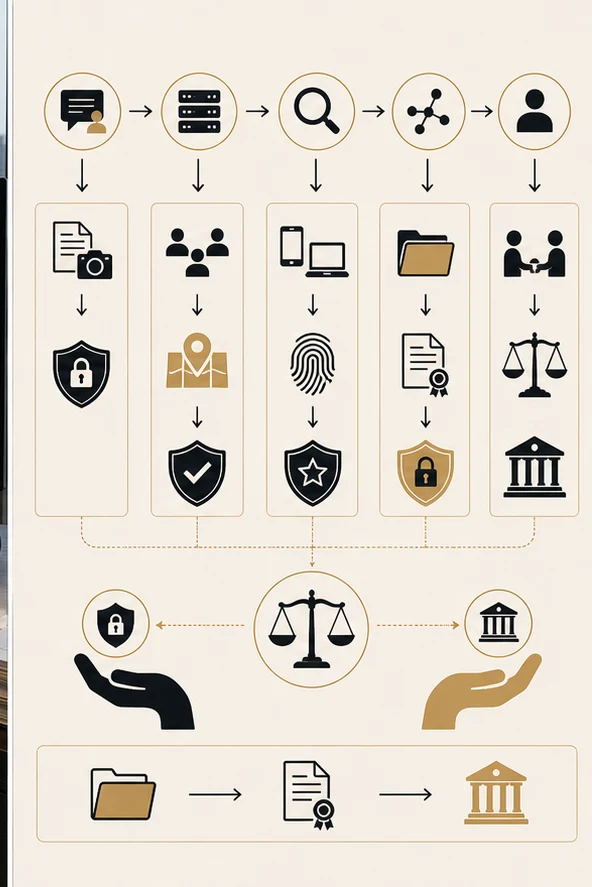
Escalation पर ज्यादा ध्यान तब देना चाहिए जब pattern paid review services, competitor involvement, agency coordination, employee-written testimonials, extortion demands, repeated reposting या fraud, safety failure या criminal conduct के false allegations की ओर इशारा करे. ऐसे मामलों में evidence preservation, Google appeals, internal compliance, measured legal notice और local advice वाली combined strategy की जरूरत पड़ सकती है.
सबसे जरूरी caution यह है कि result promise न करें. Consumer-protection context regulator action की guarantee नहीं देता. Google policy removal की guarantee नहीं देती. Legal notice correction की guarantee नहीं देती. Practical goal इससे narrow और stronger है: clean record preserve करना, conduct को accurately classify करना और हर step को evidence के अनुसार proportionate रखना.
संबंधित PimLegal पढ़ाई
आगे की reading के लिए fake Google reviews और consumer protection पर हमारी local guide और भारत Google review removal page देखें. ये दो internal links fake-review proof को भारत की broader removal और escalation strategy से जोड़ते हैं.
चयनित आधिकारिक स्रोत
- Department of Consumer Affairs scheme for Indian Standard 19000:2022 on online consumer reviews
- Google prohibited and restricted content policy
- Google Business Profile review reporting guidance
- Google Business Profile restrictions for policy violations
व्यावहारिक निष्कर्ष
Safer strategy यह नहीं है कि कम report किया जाए. बल्कि अधिक precise report किया जाए. Review preserve करें, genuine-customer question को carefully test करें, सबसे narrow Google category चुनें, और ऐसी public accusation से बचें जिसे file अभी support नहीं करती.
यह लेख सामान्य जानकारी है और भारत के किसी specific dispute के लिए legal advice नहीं है. Formal notice भेजने या किसी पर review manipulation का आरोप लगाने से पहले local advice लेना चाहिए.