
भारत के लिए व्यावहारिक guide, जब कोई Google review private emails, invoices, complaints या internal messages को सार्वजनिक रूप से quote करके confidentiality, privacy और reputation risk साथ में पैदा करे.
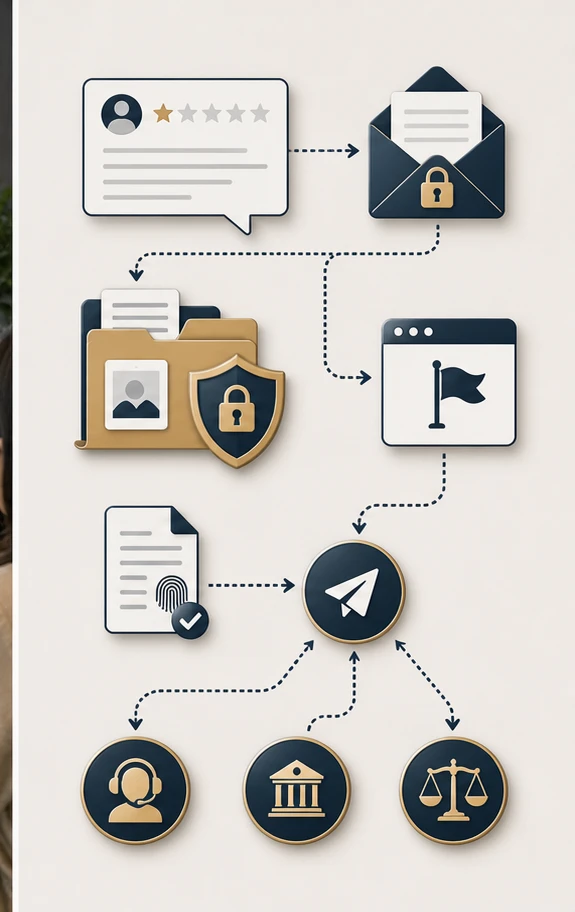
कुछ harmful Google reviews केवल आलोचना तक सीमित नहीं रहतीं. वे private emails, WhatsApp exchanges, invoices, settlement proposals, medical notes, staff schedules या complaint documents को public review में paste कर देती हैं. ऐसी publication से मामला तुरंत बदल जाता है: business सिर्फ negative opinion नहीं संभाल रहा होता, बल्कि confidentiality leak, privacy exposure, evidence preservation और Google पर दिखने वाली reputational harm भी संभाल रहा होता है.
भारत में पहली जरूरत यह अलग करना है कि क्या genuinely customer viewpoint हो सकता है और क्या ऐसी चीज है जिसे इस form में public नहीं होना चाहिए था. Lawyer-style strategy यह देखती है कि quoted material कहाँ से आया, क्या वह authentic है, क्या उसमें personal data या confidential business material है, और Google report को personal information, harassment, misleading context, impersonation या किसी दूसरी platform category पर टिकना चाहिए या नहीं.

उत्तर देने से पहले सबूत की checklist
Evidence file में पूरी review URL, author profile, screenshots, timestamps, visible edits और linked images सुरक्षित रखनी चाहिए. साथ ही underlying confidential material को उसके original context में भी सुरक्षित रखना चाहिए: full email chain, invoice, complaint thread, attachment, booking record, internal note या chat export. बिना context के quoted line असल से ज्यादा damaging या ज्यादा harmless लग सकती है.
एक privacy-safe file में originals और working copies अलग रहने चाहिए. यदि screenshots annotate या redact किए जाते हैं, तो untouched capture भी रखें. Internal checks में यह दर्ज होना चाहिए कि booking, CRM, HR, billing या incident systems किसने देखे और क्या मिला या नहीं मिला. लक्ष्य dramatic file बनाना नहीं, बल्कि यह दिखाना है कि review में personal information है और business इसे बिना अतिरिक्त disclosure के support कर सकता है.
Google policy और स्थानीय privacy law
Google submission में सिर्फ इतना न कहा जाए कि content confidential है. उसमें यह बताया जाना चाहिए कि कौन-सी policy category apply होती है और public quotation से platform और legal risk क्यों बनता है. यदि review personal information, private contact details, employee data, children's data, medical material या non-public records दिखाती है, तो उसे साफ लिखा जाना चाहिए. यदि quotation cropped, misleading, impersonating या pressure tactic की तरह use हो रही है, तो यह भी restrained factual language में explain करना चाहिए.
साथ ही internal team को case को Digital Personal Data Protection Act, 2023 की रोशनी में देखना चाहिए. यही source screenshot storage, internal sharing, redaction और public reply की सीमाएँ तय करने में मदद करती है. Review गलत हो तब भी business को Google या public के सामने minimum necessary disclosure ही करना चाहिए. Platform moderation और local privacy compliance अलग exercises हैं, लेकिन दोनों को एक-दूसरे से टकराना नहीं चाहिए.

ऐसा public response जो दूसरा privacy problem न बनाए
Public response को quoted material दोहराने से बचना चाहिए. कई मामलों में safest line यह होती है कि business private correspondence, client files या staff matters पर public discussion नहीं करता, post को proper channel से review कर रहा है और official direct contact invite करता है. Email को फिर से quote करना या dispute को line by line explain करना owner reply को second disclosure event बना सकता है.
यह सावधानी health, education, legal services, hospitality, finance, real estate, childcare, wellness और अन्य sensitive sectors में और भी महत्वपूर्ण है. गुस्से में लिखा गया reply दूसरी publication, confidentiality breach या Google report से contradiction बन सकता है. Public audience को reassurance चाहिए, private files पर line-by-line बहस नहीं.
कब escalation की जरूरत ज्यादा गंभीर हो सकती है
Escalation ज्यादा serious हो जाती है जब review settlement discussions, legal advice, patient या student information, staff schedules, access codes, financial details, child-related material या internal complaint history को republish करती है. ऐसे facts stronger Google appeal, confidentiality-focused notice, urgent local counsel review या wider online-reputation response justify कर सकते हैं, लेकिन guaranteed removal या court success का promise नहीं करना चाहिए.
मुख्य सावधानी यह है कि outcome का वादा न किया जाए. Removal कभी guaranteed नहीं होती, authority action automatic नहीं होता, और privacy law एक clean factual file की जगह नहीं लेती. लेकिन business आम तौर पर अपनी position मजबूत करता है जब वह जल्दी preserve करे, issue को precisely classify करे, documents को carefully redact करे और public messaging को platform submission के साथ aligned रखे.
संबंधित PimLegal reading
अधिक संदर्भ के लिए भारत में व्यक्तिगत डेटा उजागर करने वाली Google समीक्षाएँ: प्राइवेसी-सुरक्षित हटाने की रणनीति और भारत Google review removal page देखें. ये दो internal links personal-data issue को भारत की wider removal, response और escalation strategy से जोड़ते हैं.
चयनित आधिकारिक संदर्भ
- Digital Personal Data Protection Act, 2023
- Google Business Profile review reporting guidance
- Google legal content removal guidance
- Google prohibited and restricted content policy
व्यावहारिक निष्कर्ष
जो Google review confidential material republish करती है, उसे पहले disclosure file और बाद में reputation file की तरह treat करना चाहिए. Original context preserve करें, confidentiality और privacy issues को precisely classify करें, सही Google category में report करें और public reply को evidence file से छोटा रखें.
यह लेख केवल सामान्य जानकारी है, भारत के किसी specific dispute के लिए legal advice नहीं. Formal notice या record disclosure से पहले local advice आवश्यक हो सकता है.