
A practical Italy guide to preserving each visible version of a Google review when the text changes, shrinks, or disappears after a report, reply, appeal, or legal step.
Why A Changed Review Becomes A Version-Control Problem
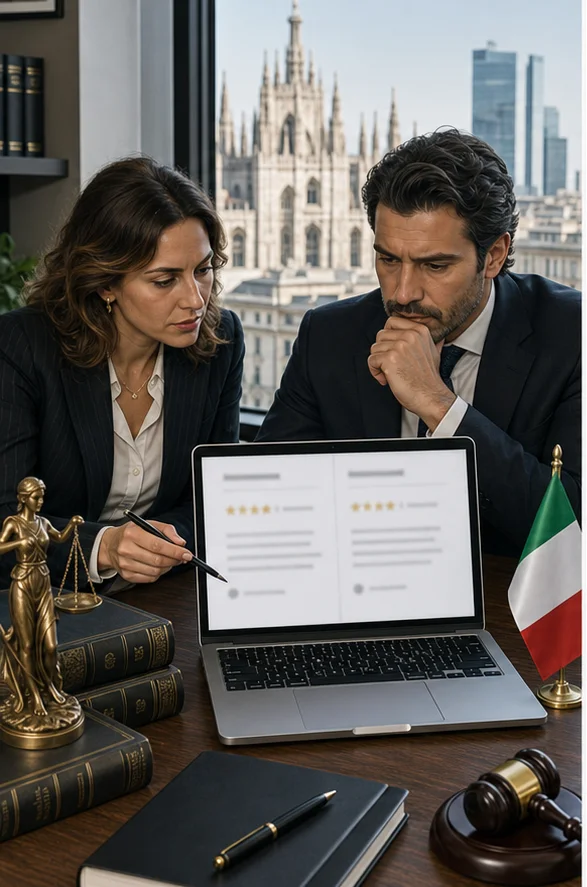
When a harmful Google review is edited, shortened, softened, or disappears after the business reports it or replies publicly, the first issue is no longer only falsity or policy breach. It becomes an evidence-integrity problem. Management should be able to show what was visible on day one, what changed later, and which version supports the Google or legal route being discussed.
That is why a lawyer-grade file tracks version history, not just the latest screenshot. The business should preserve each visible stage of the review, the owner reply, the report status, and the chronology linking those steps. If the strongest wording disappears before the file is fixed, later escalation becomes weaker even where the underlying complaint remains serious.
What The First-Hour File Should Capture
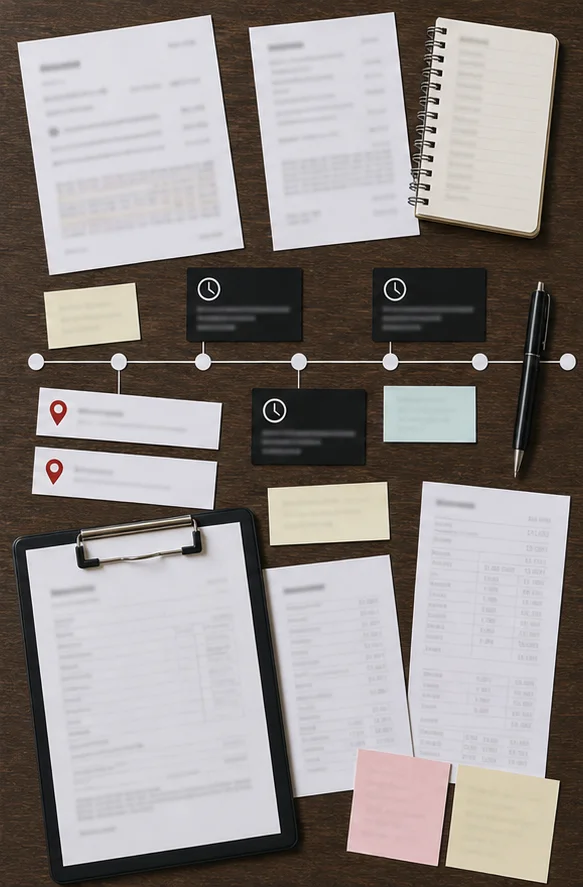
Preserve the full review URL, reviewer profile URL, star rating, publication date, visible edits, attached images, business-profile context, surrounding rating movement and the exact wording in the language used on the platform. If the review is in translation-sensitive wording, save the original language before anyone paraphrases it. If several reviews are involved, build a short chronology showing timing, repetition and any unusual pattern.
A usable chain-of-custody note should also identify who captured each item, on what date, from which account or device view, and whether the file is an original screenshot, annotated working copy or exported internal record. Customer searches, booking checks, invoice review, service logs and staff recollection should be logged without dumping unnecessary personal data into the public-facing set. The objective is disciplined preservation, not a dramatic dossier.
Controlled Internal Handling And Redaction
The business should assume that the evidence file may later be read by Google, local counsel, management, insurers, counterparties or a regulator. That is why the internal workflow should control copies, preserve untouched originals and redact more aggressively in the Google-facing version than in the private legal version. Local privacy and consumer-law sources still matter here: they shape how customer records, employee details, medical or payment data and internal messages are stored, shared and minimised while the file is being prepared.
Public Response Discipline While The File Is Built
A public response should not outrun the evidence file. If a reply is commercially necessary, it is usually safer to acknowledge the concern, state that the business is reviewing the matter through the appropriate channel and invite a private contact route. The reply should normally avoid factual concessions, overconfident accusations, copied private data or statements that later contradict the Google report or appeal packet.
Google Review Changes, Status Tracking, And Exact URLs
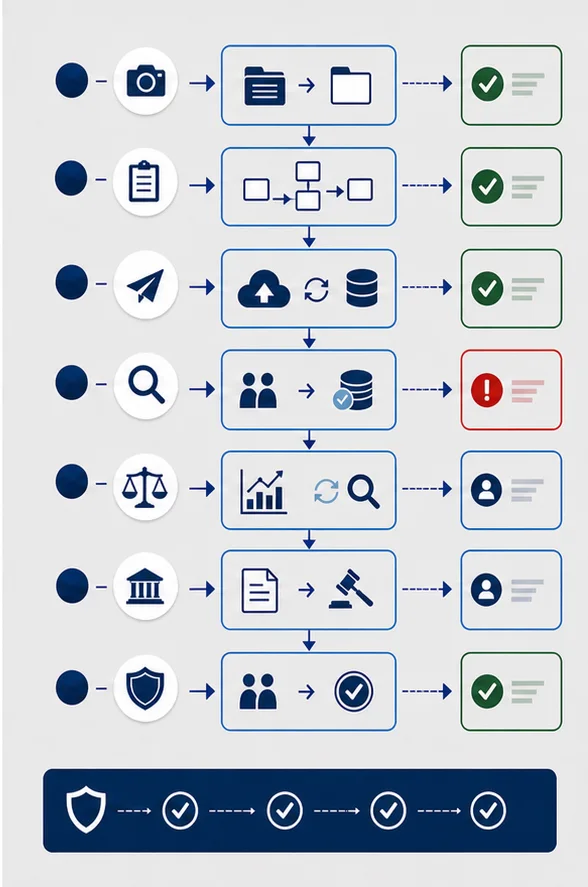
Google's current help materials matter here because review text can change after publication and the business may not control when that happens. The safer route is to preserve the original wording before replying, preserve later versions if the review changes, and log the visible date, review link, profile link, and report or appeal status each time. Google will usually assess the content it can see or the exact version the business can still document clearly.
The Google-facing file should therefore stay precise and readable. Use exact URLs, exact wording from the preserved version, and a short explanation of what changed. In parallel, the internal team should still review the matter against AGCM action on non-genuine online reviews and GDPR, Regulation (EU) 2016/679 because edited or deleted text can still raise consumer-law, privacy, defamation, or confidentiality questions. Google will not rebuild a lost chronology for the business.
When Chain Of Custody Matters Even More
Evidence preservation deserves extra attention when the review is already being edited, when multiple profiles appear together, when the author is anonymous, when staff are named with misconduct allegations, when the text accuses the business of fraud or dangerous conduct, when threats or refund demands sit around the review, or when the matter spans more than one language or jurisdiction. In those situations a missing screenshot or a confused timeline can damage both the Google route and the legal route.
The practical warning is simple: do not overpromise removal, do not let several employees create competing versions of the story and do not treat the evidence file as a marketing document. A lawyer-grade preservation file is quiet, chronological, redacted where necessary and usable across report, appeal, notice, negotiation and, if proportionate, later proceedings.
Related PimLegal Reading
For related reading, see our local guide to Google review evidence preservation and the Italy Google review removal page. These two internal resources connect anonymous-review triage with the wider removal and escalation strategy for Italy.
Selected Official References
- AGCM action on non-genuine online reviews
- GDPR, Regulation (EU) 2016/679
- Google Business Profile review reporting guidance
- Google Business Profile help on managing customer reviews
- Google Maps help on adding, editing, or deleting reviews and ratings
- Google Legal Help on reporting content for legal reasons
Practical Conclusion
When a Google review changes or disappears in Italy, the strongest move is to preserve every visible version, keep the chronology disciplined, and escalate only with exact words and exact URLs that can still be authenticated.
This article is general information only and not legal advice for a specific dispute in Italy. Formal identification, disclosure or court steps should be reviewed locally before action is taken.