
A practical Mexico guide to challenging false or harmful Google reviews without using unsupported legal threats, bad-faith notices or platform misuse.
Why The Legal Threat Itself Can Become A Separate Risk
A harmful Google review may justify firm action, but a demand letter sent before the file identifies the exact words, the reviewer relationship, the likely local cause of action and the best Google route can backfire. In Mexico, businesses should assess the threat itself as a risk document, not as a reflex.
That matters because not every severe review is defamatory, not every false statement needs a court-style notice, and not every removal request belongs in Google's legal channels. Some files are stronger as ordinary review reports, privacy reports, impersonation reports, conflict-of-interest reports or a measured public response. Overbroad threats can weaken credibility with the reviewer, with Google and with later counsel.
Evidence Checklist Before Any Notice Or Threat
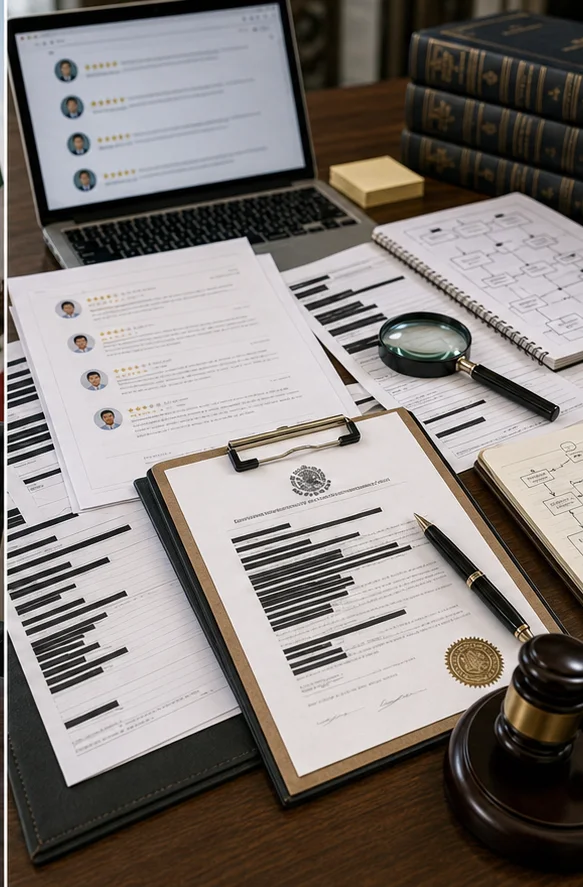
Before threatening legal action, preserve the exact review URL, text, images, rating, timestamps, profile details, prior messages and any off-platform context. The file should identify who is allegedly harmed, which statements are factual, what records support falsity or inaccuracy, and whether the author appears to be a customer, competitor, former employee or unknown user.
The next step is classification, not escalation. Separate opinion from factual accusation. Separate privacy, harassment, fake engagement, extortion, impersonation and confidentiality issues. If the business cannot yet explain the narrowest legal basis and the narrowest Google category, the file is usually not ready for a threat letter.
Google Legal Reporting Is Not A Pressure Tool
Google's product-reporting and legal-reporting routes serve different functions. A legal submission should identify the exact content and the legal reason precisely. It is not a louder version of an ordinary Business Profile complaint. A business that uses repeated or weak legal notices instead of accurate product reporting can lose time and credibility.
In parallel, the wider market-conduct context under Mexico Federal Consumer Protection Law may matter where a business uses heavy-handed tactics to suppress honest criticism or where a reviewer is part of fake engagement. The practical lesson is not that formal action is forbidden. It is that the business should choose the narrowest supported route, keep the public reply controlled, and use legal notices only when the facts and law are mature enough to justify them.

Public Response Strategy Without Overreaching
A public response should usually stay short, neutral and reversible. In many cases it is safer to say that the business cannot verify the described experience from available records and invites the reviewer to a private channel. It is often riskier to publish a categorical accusation such as fake review, scam account or competitor attack before the file is complete. Public wording should support the Google report, not contradict it.
Businesses should also avoid answering suspected fake reviews with bad countermeasures of their own: buying positive reviews, encouraging staff or family to post, selectively suppressing real complaints, or threatening action that the file cannot support. Those steps can worsen Google-policy risk, consumer-law exposure and litigation posture at the same time.
When Escalation Becomes More Serious
Escalation deserves closer review when the pattern suggests paid review services, competitor involvement, agency coordination, employee-written testimonials, extortion demands, repeated publication after warnings, or false allegations of fraud, safety failures or criminal conduct. In those files, the business may need a combined strategy covering evidence preservation, Google appeals, internal compliance, a measured legal notice and local advice.
The key caution is not to promise outcomes. Consumer-protection context does not guarantee regulator action. Google policy does not guarantee removal. A legal notice does not guarantee correction. The practical goal is narrower and stronger: preserve a clean record, classify the conduct accurately and keep every step proportionate to the evidence.
Related PimLegal Reading
For related reading, see our local guide to the legal removal route for Google reviews and the Mexico Google review removal page. These two internal links connect fake-review proof with the wider removal and escalation strategy in Mexico.
Selected Official References
- Mexico Federal Consumer Protection Law
- Google prohibited and restricted content policy
- Google Business Profile review reporting guidance
- Google Legal Help reporting for legal reasons
- Google Legal Help misuse policy
- Google Business Profile restrictions for policy violations
Practical Conclusion
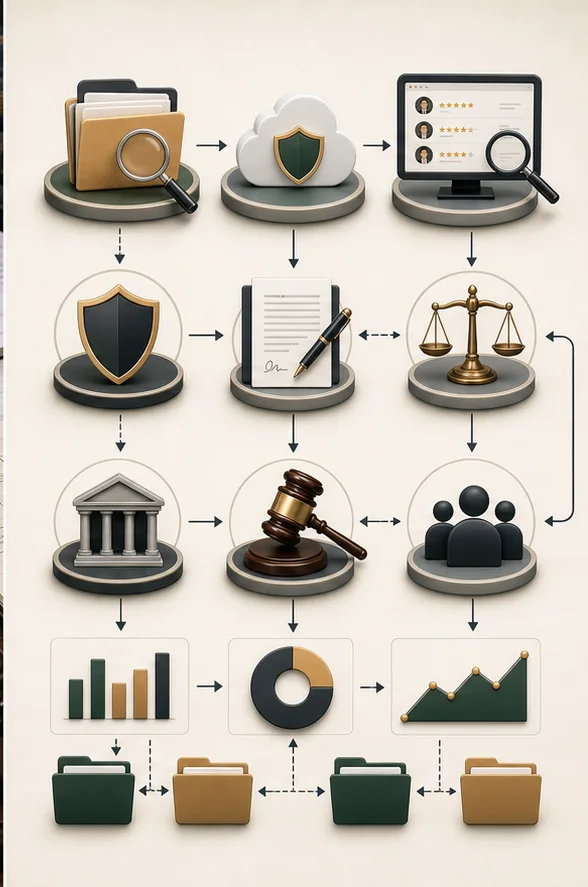
A business can challenge a false or abusive Google review without relying on groundless legal threats. The stronger route is to preserve first, classify carefully, report in the right Google channel, and send formal notices only when the exact words, facts and legal basis are ready.
This article is general information only and not legal advice for a specific dispute in Mexico. Businesses should seek local advice before sending formal notices or accusing any person or company of review manipulation.