
Digital defamation occurs when someone publishes false or harmful information online that damages another person’s reputation. This includes posts on:
- Social media platforms
- Blogs or forums
- Messaging apps
- Review or video-sharing sites
In Thailand, digital defamation can carry criminal and civil consequences, making awareness critical for individuals and businesses alike.
Relevant Laws Governing Online Defamation
Thailand regulates online defamation through multiple legal frameworks:
Criminal Code (Sections 326–333)
- Addresses defamation and insult, including written, spoken, and online forms.
- Violators may face fines or imprisonment.
Computer Crime Act B.E. 2550 (2007), Sections 14 & 15
- Criminalizes posting false or damaging information online.
- Covers websites, social media, and other electronic communications.
Civil Liability
- Victims can sue for damages for reputational or financial loss.
- Courts may order removal of content and public apologies.
Examples of Illegal Online Posts
Certain types of online content are illegal and can trigger legal action in Thailand:
- False accusations: Claiming someone committed a crime without evidence.
- Insults or personal attacks: Posts that humiliate or defame another person.
- Rumors: Sharing unverified or misleading information about individuals or companies.
- Private information leaks: Posting sensitive personal data without consent.
- Manipulated content: Deepfakes or altered media that falsely portray someone negatively.
Even seemingly harmless content can be considered defamatory if it damages reputation or causes public harm.
Social Media and Business Liability
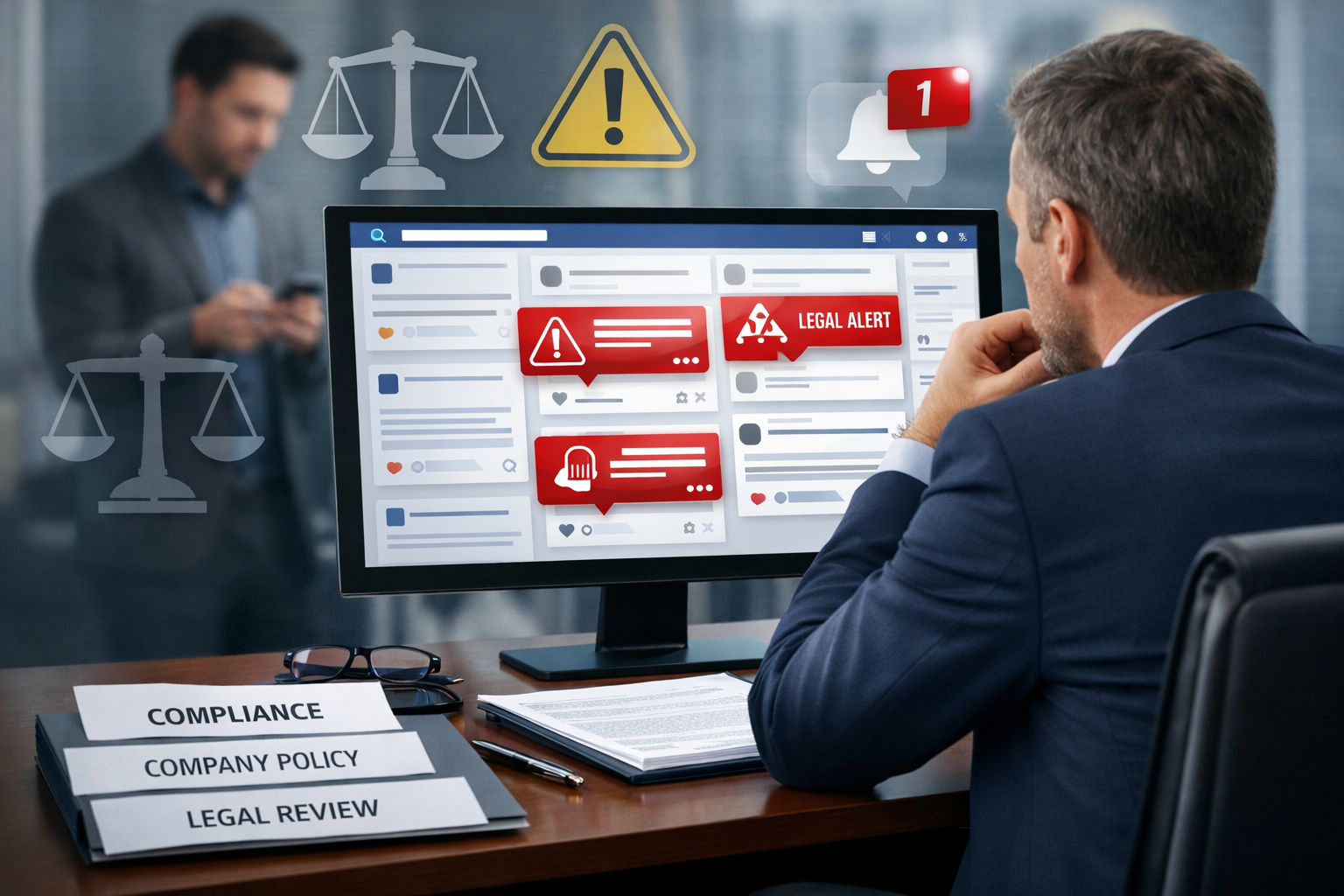
Businesses and social media managers must exercise caution:
- Employee posts: Employees posting defamatory content may expose the company to vicarious liability.
- Corporate accounts: Posts from official channels must be verified and professional.
- User-generated content: Platforms should monitor and remove illegal posts when notified.
Negligence in these areas can result in fines, lawsuits, and reputational harm.
Penalties for Digital Defamation
Violating Thailand’s digital defamation laws can lead to:
- Criminal fines: From tens of thousands up to hundreds of thousands of baht.
- Imprisonment: Up to several years for severe offenses.
- Civil damages: Compensation for financial or reputational harm.
- Removal orders: Courts can mandate the deletion of defamatory material.
Penalties depend on the intent, severity, and public impact of the posts.
How to Avoid Legal Trouble Online
- Verify facts before posting: Avoid sharing unconfirmed claims.
- Avoid personal attacks: Criticism should be professional and factual.
- Protect privacy: Do not post personal information without consent.
- Be cautious with opinions: Opinions must not contain false statements presented as facts.
- Moderate user content: If managing a platform, remove illegal posts promptly.
- Seek legal guidance: When in doubt, consult Thai legal professionals.
Proactive measures reduce risks and protect both your reputation and legal standing.
The Takeaway
Digital defamation in Thailand carries serious criminal and civil consequences. Individuals and businesses must be mindful of:
- What they post online
- How employees and users interact with content
- Ensuring compliance with the Criminal Code and Computer Crime Act
Staying informed and cautious helps maintain a responsible online presence and protects your business or personal reputation.
In the age of social media, protecting yourself online is both an ethical and legal necessity.