
Every business knows how important a logo is. It’s the face of your brand — the symbol that customers remember long after they forget your tagline. But here’s the surprising truth: many companies don’t actually own their logo.
This confusion happens more often than you’d expect, especially among startups and small businesses that hire freelance designers or agencies. Without the right legal agreements or trademark filings, you might only “use” your logo, not truly own it. And in 2026, with the explosion of online brands and cross-border marketing, that oversight can lead to costly legal disputes.
Copyright vs. Trademark: Two Different Types of Ownership
Before understanding logo ownership, it’s crucial to separate copyright and trademark — two key forms of intellectual property (IP) that protect different aspects of your logo.
- Copyright protects the artistic design of your logo — the colors, shapes, and creative expression. This protection exists automatically the moment the design is created, but the creator (usually the designer) owns it unless transferred in writing.
- Trademark, on the other hand, protects your logo as a commercial identifier — something that distinguishes your goods or services from competitors. Trademarks must be registered with an IP office to give you enforceable rights.
In simple terms:
The designer may own the copyright, but your company must own the trademark to legally protect the brand.
Without both, your business might not have full control over your visual identity.
The Designer Dilemma: “Who Owns the Work?”
A common misconception is that paying for a logo automatically gives you ownership. Unfortunately, payment alone doesn’t transfer intellectual property rights.
If you hired a freelance designer, the default legal position is that they retain copyright ownership unless there’s a written contract assigning those rights to you. That means, legally, they could reuse or resell the same design — or even prevent you from altering it later.
If the logo was created by an employee, you generally own it because it was made “in the course of employment.” But for independent contractors or design agencies, ownership must be explicitly transferred in writing.
Solution:
Always include an IP assignment clause in your design contract. It should clearly state that all rights, including copyright and usage rights, are transferred to your company upon payment.
Why Trademark Registration Is Non-Negotiable in 2026
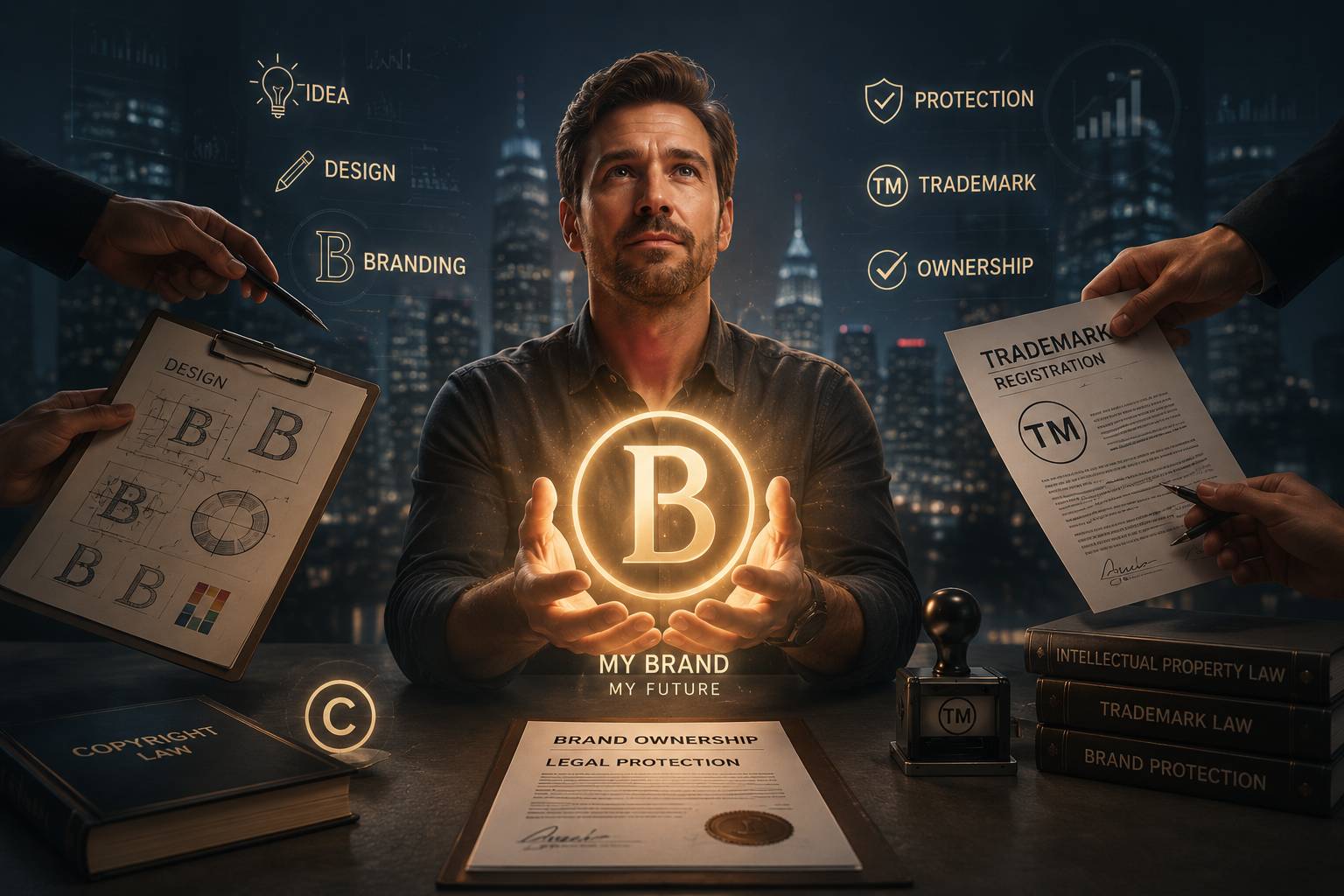
Even if you’ve secured copyright ownership, you still need to register your logo as a trademark. Copyright protects the design itself, but trademark protection ensures no one else can use a similar logo in your industry.
Here’s why it matters:
- Without a registered trademark, you may lose legal rights if another business uses a similar logo first.
- Social media platforms and e-commerce sites like Shopee or Lazada require proof of trademark for brand verification or infringement claims.
- If you expand internationally, your unregistered logo might not be protected in other countries.
Trademark registration in Thailand, for example, goes through the Department of Intellectual Property (DIP) and can take 12–18 months. Once approved, it gives you exclusive rights to use your logo in your product or service class — and legal grounds to act against copycats.
Common Logo Ownership Mistakes Businesses Make
- Skipping written contracts. Relying on email agreements or verbal understandings leaves ownership ambiguous.
- Using stock icons or templates. Logos made from stock elements may not qualify for copyright or trademark protection because they lack originality.
- Not checking for conflicts. Before filing, always search existing trademarks to ensure your logo isn’t already in use.
- Redesigning without re-filing. Major logo updates may require a new trademark registration.
- Outsourcing overseas without legal review. Different jurisdictions have different IP transfer rules — especially if your designer is abroad.
Each of these mistakes can delay or even invalidate your ownership claim. In worst cases, businesses have had to rebrand entirely after discovering they didn’t legally own their own logo.
How to Secure Your Logo the Right Way
To ensure you truly own and protect your logo:
- Use a written contract with your designer or agency. Include clauses that assign all copyrights to your company upon completion.
- Register your logo as a trademark in Thailand (and other markets you operate in). This gives you enforceable rights and brand credibility.
- Keep creation records — drafts, invoices, and email trails — to prove originality.
- Monitor for infringements using online tools or IP watch services. Early action is key.
- Update your filings whenever your brand identity changes.
These proactive steps ensure that your logo — and the brand it represents — are legally and commercially secure.
Conclusion: Own It, Don’t Just Use It
In today’s competitive digital landscape, your logo isn’t just a design — it’s intellectual property. It represents trust, recognition, and value. But unless you’ve legally secured ownership, that valuable asset might not be yours at all.
By understanding the difference between copyright and trademark, setting clear ownership contracts, and registering your mark properly, you’re not just protecting your artwork — you’re protecting your brand’s future.
In 2026 and beyond, don’t just design your identity — own it.