
A practical India guide to when an ordinary Google review report is not enough and a legal-removal, court-order, privacy, or urgent-harm route may need local review.
When The Google Legal Route May Matter
Not every harmful review fits the ordinary report-and-wait workflow. In India, some files raise a narrower question: is the next step still an ordinary Business Profile report, or has the dispute moved into a legal-removal route because the review now involves a court order, personal-data exposure, impersonation, confidential material, intellectual-property misuse, or another clearly framed legal basis. That distinction matters because Google's legal tools are narrower than general moderation and are not designed to resolve every factual business dispute.

What The First-Hour File Should Capture
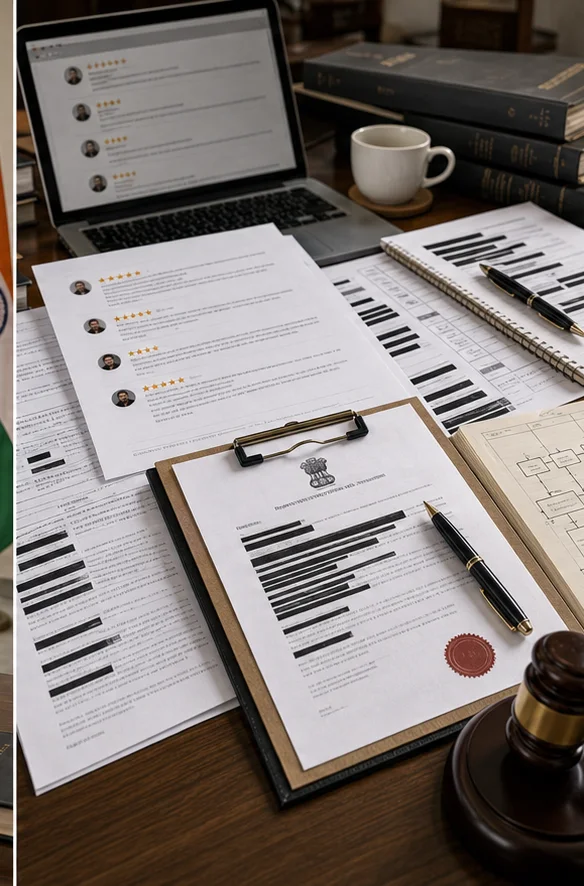
Preserve the full review URL, reviewer profile URL, star rating, publication date, visible edits, attached images, business-profile context, surrounding rating movement and the exact wording in the language used on the platform. If the review is in translation-sensitive wording, save the original language before anyone paraphrases it. If several reviews are involved, build a short chronology showing timing, repetition and any unusual pattern.
A usable chain-of-custody note should also identify who captured each item, on what date, from which account or device view, and whether the file is an original screenshot, annotated working copy or exported internal record. Customer searches, booking checks, invoice review, service logs and staff recollection should be logged without dumping unnecessary personal data into the public-facing set. The objective is disciplined preservation, not a dramatic dossier.
Appeal Framing Under Google Policy
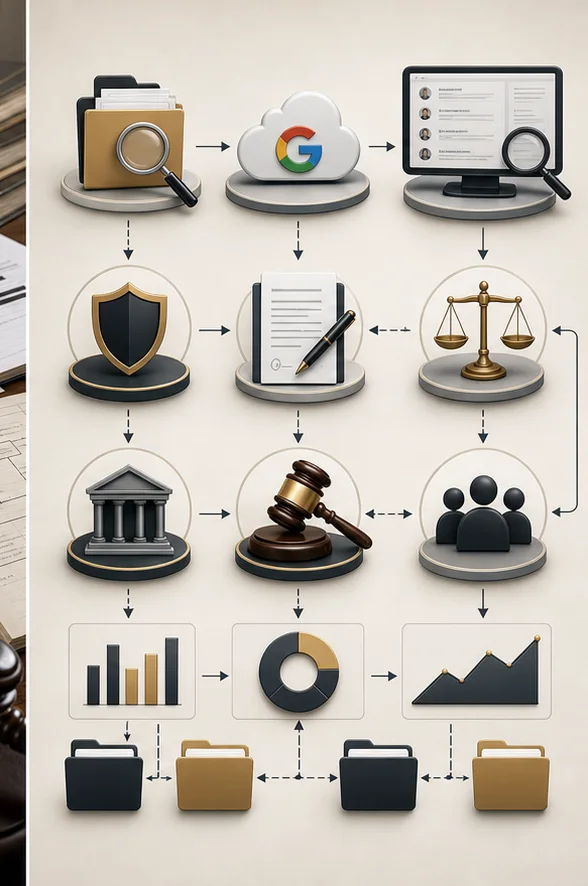
Google separates ordinary Business Profile review reporting from legal-removal submissions. A stronger legal-removal file identifies the exact review URL, the exact wording or media at issue, the correct legal basis, and the minimum supporting evidence needed for Google to understand the request. It is not the place to paste a full defamation memo or to ask Google to decide an entire customer conflict. The better approach is to match the route to the facts: policy report where policy is enough, legal-removal route where a defined legal basis really exists.
In India, local screening should also consider Department of Consumer Affairs scheme for Indian Standard 19000:2022 on online consumer reviews before escalation. That source helps management and counsel decide whether the real issue is review authenticity, privacy, confidentiality, platform abuse, or another local legal problem. The Google packet should stay short and product-specific. The fuller local legal analysis should remain in the working file, together with chronology, redactions, and any draft notice or court-order review.
Public Response After A Rejection
A rejected first report often tempts management to fight in the review thread. That is usually counterproductive. The public reply should stay short, factual, and privacy-safe, because it becomes part of the same evidence landscape the appeal will sit inside. A restrained response can acknowledge that the business is reviewing the post through the appropriate channel and invite direct contact through an official route, while avoiding broad accusations that the reviewer is fake, criminal, extortionate, or linked to a competitor unless the file is already strong enough to support that language.
This is especially important for regulated or sensitive sectors: healthcare, education, legal services, hospitality, financial services, real estate, childcare, wellness, HR-heavy businesses and any company handling minors' data. A reply written in anger can become a second publication, a confidentiality breach or a contradiction of the Google report. The public audience needs reassurance, not a line-by-line debate using private records.
When To Escalate Beyond The First Denial
Escalation deserves closer review when the review stays live after a structured report, exposes private data, republishes confidential material, names staff with serious factual allegations, appears tied to impersonation or coordinated abuse, or when a court-backed measure is already being considered. The aim is not to promise removal. The aim is to decide whether the next proportionate step is a legal-removal submission, a narrower notice, a court-order review, or a controlled public response that does not damage the evidence file.
The key caution is not to overpromise results. Removal is never guaranteed, police or regulator action is never automatic, and a privacy law does not erase the need for a careful factual file. But businesses usually improve their position when they preserve the review early, classify the personal-data issue precisely, redact internal material carefully and keep public messaging aligned with the platform submission.
Related PimLegal Reading
our local article on evidence for suspicious Google reviews | India Google review removal page
Selected Official References
- Department of Consumer Affairs scheme for Indian Standard 19000:2022 on online consumer reviews
- Google Business Profile review reporting guidance
- Google prohibited and restricted content policy
- Google Legal Help overview of legal content removals
- Google Legal Help court orders guidance
Practical Conclusion
The legal-removal route works best when the business separates ordinary moderation from legal escalation, preserves exact URLs and wording, and asks Google to review a narrow, well-supported legal basis instead of a broad complaint about unfairness.
This article is general information only and not legal advice for a specific dispute in India. Businesses should seek local advice before sending formal notices, disclosing records, or assuming that any review will be removed.