
Response strategy, timing ng escalation at legal risk control. Para sa isang business na konektado sa Pilipinas, ang pag-alis ng harmful Google review ay hindi simpleng marketing request. Ito ay reputational, evidential, platform-policy at legal exercise. Ang unang trabaho ng abogado ay hindi agad magbanta; ang unang trabaho ay basahin ang exact words, i-preserve ang publication, i-check ang customer records at pumili ng proportional route.
Sa public response sa harmful Google review, dapat hiwalay ang legitimate criticism sa actionable reputation harm. May karapatan ang customer na magreklamo, magbigay ng mababang rating at magpahayag ng opinion. Ngunit iba ang review na naglalagay ng false factual accusation, personal data, coordinated pressure, fake experience o targeted harassment. Ang legal strategy ay dapat magpakita ng distinction na iyon sa malinaw na Filipino at English legal language.

Core issue ng artikulong ito
Ang tamang tanong ay hindi lang kung totoo ang side ng negosyo. Ang tanong ay kung anong public response ang nagpoprotekta sa reputasyon nang hindi naglalantad ng personal data, hindi gumagawa ng bagong defamatory statement, at hindi kumokontra sa Google report o legal notice. Ang analysis ay mas matibay kapag sentence-by-sentence. Ilagay sa table ang exact phrase, possible ordinary meaning, supporting or contradicting records, Google policy category, privacy risk, evidence status at recommended response. Sa ganitong paraan, ang negosyo ay hindi gumagawa ng emotional reaction; gumagawa ito ng legal file.
Legal framework sa Pilipinas: defamation, cyberlibel, privacy at evidence
Para sa public response sa harmful Google review, nagsisimula ang lawyer-led review sa Revised Penal Code. Ang Article 353 ay tumutukoy sa libel bilang public at malicious imputation na maaaring magdulot ng dishonor, discredit o contempt sa natural o juridical person. Ang Article 355 naman ang naglilista ng libel by writings or similar means. Sa practical review dispute, ang tanong ay hindi lang kung masakit ang review. Ang tanong ay kung may public statement, kung may identifiable business o tao, kung defamatory ang natural meaning, kung may malice, kung may falsity o insufficient basis, at kung may remedy na proporsyonal.
Kapag online ang publication, kailangang tingnan ang Cybercrime Prevention Act of 2012, Republic Act No. 10175. Ang Section 4(c)(4) ay tumutukoy sa cyber libel kapag libel under Article 355 ng Revised Penal Code ay ginawa sa pamamagitan ng computer system o similar means. Hindi nito ibig sabihin na bawat negative Google review ay cyberlibel. Ang ordinary consumer opinion, rhetorical complaint at fair criticism ay dapat ihiwalay sa specific factual accusation na walang sapat na basis at nakakasira sa reputasyon.
May hiwalay na privacy layer sa Data Privacy Act of 2012, Republic Act No. 10173. Kapag ang review ay naglalaman ng phone number, address, medical detail, employment detail, payment information o staff identity, maaaring iba ang analysis kaysa simple defamation. Ang negosyo rin ay dapat mag-ingat sa sariling ebidensya: hindi dapat i-upload sa Google ang buong patient file, customer file, billing record o employee note kung sapat na ang redacted summary. Ang reputation strategy na hindi privacy-safe ay puwedeng magbukas ng bagong risk.
Para sa proof, mahalaga ang Rules on Electronic Evidence. Ang screenshot ay hindi magic document. Kailangan itong ikabit sa URL, date, time, device or browser context, reviewer profile, surrounding page, capture notes at internal verification. Kung may future demand letter, complaint, injunction request o preservation request, mas kapani-paniwala ang file kapag malinaw kung sino ang kumuha ng evidence, kailan, saan naka-save, at anong version ang original.
Sa cabinet d'avocat approach, ang legal framework ay hindi ginagamit para takutin agad ang reviewer. Ginagamit ito para pumili ng tamang route. May cases na sapat ang Google policy report. May cases na mas mabuti ang maingat na public response. May cases na kailangan ang legal notice, preservation letter o formal complaint. May cases din na dapat tanggapin bilang legitimate criticism at gamitin para ayusin ang operations. Ang reputational judgment ay lumalakas kapag ang bawat route ay nakatali sa evidence, proportionality at risk control.
Jurisprudence mula sa Pilipinas para sa online reputation disputes
Sa Disini v. Secretary of Justice, hinarap ng Supreme Court ang constitutional challenge sa Cybercrime Prevention Act. Para sa online reputation work, mahalaga ang case dahil ipinakita nito na ang cyberlibel ay seryosong legal category, ngunit dapat pa ring basahin kasama ang constitutional speech concerns at limits ng criminal liability. Sa Google review dispute, hindi sapat ang label na cyberlibel; kailangang ipakita ang exact publication, author or account context, defamatory meaning, identification at mens rea issues na may sapat na factual basis.
Sa Borjal v. Court of Appeals, binigyang-diin ng Supreme Court ang protected fair comment, public interest at kahalagahan ng context. Hindi ito Google review case, pero kapaki-pakinabang ito dahil maraming review ang halo ng opinion, exaggeration at factual statement. Ang negosyo ay mas malakas kapag hindi nito hinahabol ang bawat insulto. Mas dapat nitong tutukan ang specific, provably false factual allegations tulad ng fraud, theft, forgery, unsafe practice, bribery, extortion o professional misconduct.
Sa Tulfo v. People, makikita ang bigat ng libel analysis kapag matalas ang language at may publication sa public forum. Ang lesson para sa businesses ay dalawang-direksyon. Una, puwedeng maging actionable ang damaging factual accusation kung kulang ang basis. Pangalawa, ang sariling public reply ng negosyo ay maaari ring maging publication. Kung sasabihin ng business owner na 'scammer ang reviewer' o 'blackmailer siya' nang walang matibay na file, maaari nitong sirain ang sariling legal position.
Sa Causing v. People, muling makikita na ang cyberlibel disputes ay may procedural timing, charging at statutory questions na hindi dapat tratuhin na simpleng platform complaint. Para sa negosyo, praktikal ang mensahe: i-preserve agad ang evidence, ngunit huwag magpadala ng overbroad threat letter bago masuri ang limitation issues, venue, identity, publication date, screenshots, account control at available civil or criminal routes.
Ang combined lesson ng jurisprudence ay simple ngunit demanding. Philippine courts do not remove reputation harm by emotion alone. Tinitingnan ang words, ordinary meaning, context, identity, proof, malice, public interest, truth or fair comment, procedure at proportionality. Ang Google moderator naman ay hindi Philippine judge. Kaya ang same file ay kailangang may dalawang version: isang legal version para sa counsel at possible proceedings, at isang policy version para sa Google na maikli, clear at hindi naglalantad ng confidential data.
Digital evidence: screenshots, records at chain of custody
Bago sumagot, i-save ang review, profile, URL, date, full wording, screenshots, business profile context, internal records at privacy-sensitive details na hindi dapat lumabas sa public reply. Ang capture ay dapat gawin bago sumagot, mag-report o makipag-ugnayan sa author. Maaaring ma-edit, ma-delete, ma-translate, ma-sort o ma-cache ang review. Kapag nawala ang original context, mahirap nang ipaliwanag sa Google, sa reviewer o sa counsel kung ano talaga ang nakita ng public noong unang lumabas ang review.
Gumawa ng capture package. Isama ang full Google review page, Google Business Profile, star rating, author name as displayed, reviewer profile link, date shown by Google, full review text, images if any, owner response if any, sorting context, browser address bar at timestamp ng capture. Kung mobile ang visibility sa Maps, kumuha rin ng mobile screenshots. Kung desktop search result ang issue, i-save ang search result context at local pack context.
Pagkatapos, gumawa ng internal verification note. Anong systems ang chineck? CRM, bookings, invoices, payment gateway, phone logs, email, messaging app, delivery records, clinic records, hotel reservation system, complaint register, POS, staff schedule o project files? Sino ang nag-check at kailan? Ano ang exact result: walang record, may record pero iba ang facts, tunay na customer pero mali ang specific allegation, o hindi pa matukoy? Ang 'not found' result ay dapat dokumentado, hindi verbal memory lang.
Dapat ding paghiwalayin ang confidential records at non-confidential summary. Sa lawyer file, puwedeng magkaroon ng mas detalyadong exhibits. Sa Google report, madalas mas ligtas ang redacted statement: the name does not match customer records, the alleged service was never offered, the date was outside business hours, the profile appears linked to a supplier dispute, or the same phrase appears across several accounts. Ang goal ay patunayan ang policy issue nang hindi naglalabas ng sensitive data.
Kung may posibilidad ng legal notice o proceedings, mag-number ng exhibits: review capture, profile capture, internal search memo, record extract, communication history, harm evidence, Google report, Google response at draft public reply. Mag-save ng original files at working copies. Huwag palitan ang file names nang walang log. Huwag i-edit ang screenshot para lang gumanda ang presentation. Mas mahalaga ang traceability kaysa aesthetics.
Huwag kalimutan ang harm evidence. I-save ang customer inquiries na nagtatanong tungkol sa review, cancelled bookings, partner messages, staff escalation notes, ranking screenshots, call logs, conversion drop notes at management time spent. Huwag mag-overclaim ng damages. Sa legal at reputational work, mas credible ang modest but documented harm kaysa dramatic statement na walang numbers o contemporaneous proof.
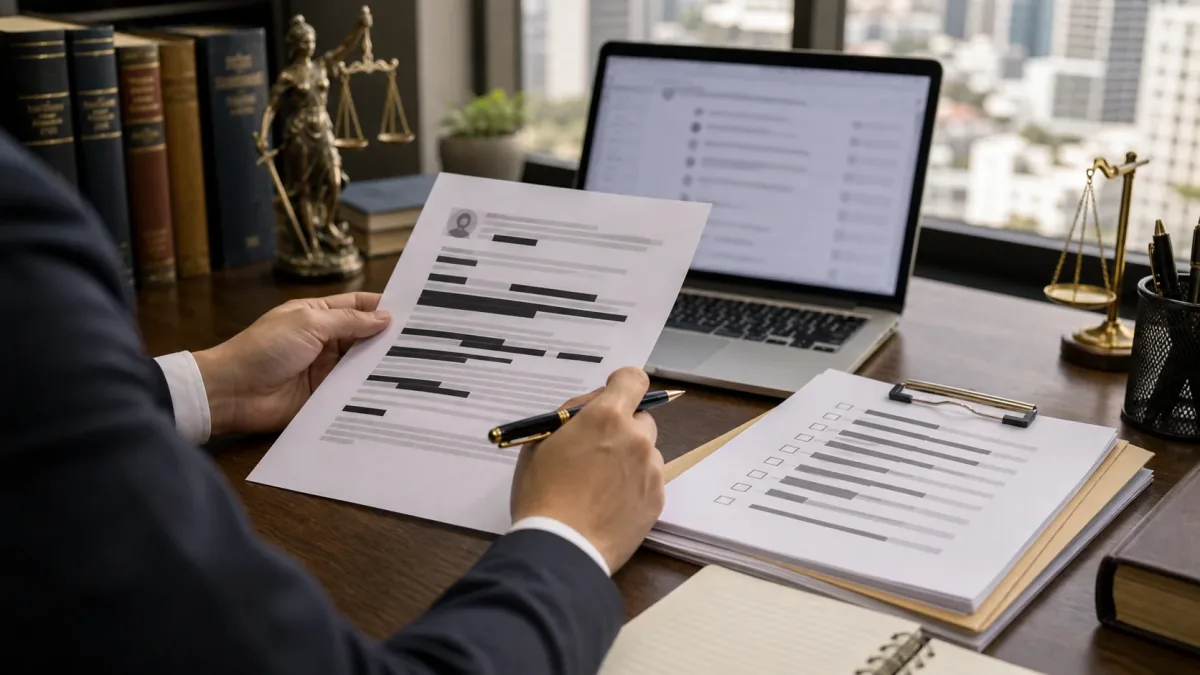
Philippines case study: BGC clinic na gustong sumagot agad
Isang clinic sa Bonifacio Global City ang nakatanggap ng review na pinangalanan ang staff member, inakusahan ang clinic ng dishonesty at nagbanggit ng sensitibong detalye tungkol sa appointment. Gusto ng team na sumagot agad gamit ang internal file para patunayang mali ang reviewer. Ang unang impulse ng management ay kadalasan mabilis na reply o mass reporting. Sa lawyer-led approach, ang unang hakbang ay freeze and classify. Sino ang may authority magsalita? Sino ang kukuha ng screenshots? Sino ang magche-check ng customer records? Sino ang maghahanda ng Google policy submission? Sino ang magdedesisyon kung kailangan ng legal notice?
Gumawa muna ng one-page chronology. Kailan lumabas ang review? Sino ang unang nakakita? May prior dispute ba sa customer, ex-employee, supplier, competitor o social media thread? May sabay-sabay bang reviews? May same wording ba? May private information ba? May threat ba? May actual bookings, leads o inquiries bang naapektuhan? Ang chronology ang nagbibigay ng discipline sa strategy.
Sunod, hatiin ang review sa categories. May ordinary opinion: 'bad service', 'too slow', 'not recommended'. May factual accusation: 'they forged my invoice', 'the doctor harmed me', 'the hotel stole my deposit', 'the owner bribed officials'. May privacy content: employee phone number, medical detail, address, payment screenshot. May policy content: fake engagement, impersonation, conflict of interest, harassment, off-topic content o coordinated posting. Iba-iba ang route ng bawat category.
Sa ganitong case study, ang first Google report ay dapat moderator-friendly. Hindi ito court brief. Gumamit ng short headings: review URL, profile URL, challenged phrases, policy category, customer-record result, non-confidential proof, requested action. Kung may appeal, huwag ulitin lang ang unang complaint. Ipakita kung anong specific policy ang tinatamaan at bakit hindi ordinary dissatisfaction ang review.
Parallel, maaaring maghanda ng legal notice draft. Hindi ito kailangang ipadala agad. Ang draft ay useful dahil pinipilit nitong maging precise ang file: saan published, anong exact words, sino ang identified, anong facts ang false, anong evidence ang hawak, anong harm ang nangyari, anong records ang dapat i-preserve, at anong remedy ang hinihingi. Kung anonymous pa ang author, maaaring manatili muna itong internal escalation memo.
Kung tunay na customer ang reviewer, hindi awtomatikong tapos ang legal issue. Puwedeng valid ang complaint pero false ang crime allegation. Puwedeng may refund dispute pero mali ang accusation of fraud. Puwedeng may right to criticize pero bawal maglabas ng private staff information. Ang nuanced analysis na ito ang nagbibigay ng credibility sa cabinet d'avocat approach: hindi lahat tinatawag na fake, hindi lahat tinatawag na defamation, at hindi lahat dinadaan sa threat.
Google strategy, legal notice at mise en demeure
Kung sasabihin sa Google na walang genuine customer experience, huwag magsulat ng public reply na parang kinukumpirma ang private transaction. Consistency ang susi. Ang practical platform route ay nagsisimula sa Google Business Profile guidance para mag-report ng inappropriate reviews at dapat nakaangkla sa Google prohibited and restricted content policy. Ang relevant categories ay maaaring fake engagement, misrepresentation, harassment, personal information, off-topic content, conflict of interest o content na hindi base sa genuine experience.
Ang Google report ay kailangang maikli ngunit complete. Ibigay ang URL, reviewer profile, exact phrases, policy category, short facts, redacted proof at requested result. Iwasan ang 20-page emotional attachment na walang structure. Iwasan din ang sobrang legal memo na hindi sinasabi kung anong Google rule ang na-violate. Ang moderator ay kailangang mabilis makita ang policy fit.
Kung may susunod na legal notice, dapat pareho ang factual position. Ang public reply na sobrang aggressive ay puwedeng i-screenshot at gamitin laban sa negosyo. Sa French term ng user, ang 'mise en demeure' ay dapat parang Philippine legal notice na may precision: publication location, date, exact words, legal basis, factual correction, evidence indication, preservation request, demand, deadline at reservation of rights. Ang tono ay firm but measured. Ang sobrang aggressive na threat ay puwedeng magmukhang review suppression kung mahina ang evidence.
Dapat pareho ang facts ng public response, Google submission at legal notice. Kung ang public reply ay nagsasabing may transaction at nire-resolve ito, pero ang Google report ay nagsasabing walang customer relationship, may inconsistency. Kung ang legal notice ay nagsasabing cyberlibel, pero ang Google submission ay hindi nag-identify ng false factual allegation, kulang ang bridge. Bago magsulat ng kahit anong external message, gumawa muna ng facts matrix.
May mga pagkakataon na hindi dapat magpadala ng notice. Kung ang review ay tunay na opinion at walang false factual assertion, mas mabuti ang customer service response at reputation rebuilding. Kung may personal data o false crime accusation, maaaring mas urgent ang legal route. Kung coordinated ang pattern, mas mahalaga muna ang evidence of coordination kaysa pakikipagtalo sa isang reviewer. Strategy follows proof, not irritation.
Practical advice para sa negosyo at counsel
Kadalasang pinakamabisa ang maikli, calm at privacy-safe reply: kinikilala ang concern, hindi naglalabas ng records, at nag-aanyaya ng private verification channel. Ang public reply ay hindi pleading. Ito ay nababasa ng future customers, staff, competitors, Google at minsan opposing counsel. Dapat nitong ipakita na ang negosyo ay may process, nirerespeto ang privacy at willing mag-verify ng facts. Iwasan ang words na liar, scammer, extortionist o competitor kung hindi pa iyon matibay sa evidence at hindi pa na-review ng counsel.
Maglagay ng internal protocol. Itigil ang random replies ng staff. Iwasan ang mass reporting na may iba-ibang explanation. Huwag mag-delete ng internal records na maaaring kailangan. Huwag mag-post ng screenshots ng customer file para manalo sa comment thread. Gumawa ng single evidence owner, single external communication owner at single legal reviewer. Ang calm process ay bahagi ng reputational protection.
Dapat basahin ang artikulong ito kasama ang mapanirang Google reviews sa Pilipinas at defamation rules para sa online reviews. Ang dalawang internal links na ito ang nag-uugnay ng legal analysis sa ebidensya, Google policy, response strategy at escalation.
Kapag may international element, halimbawa foreign tourist, overseas reviewer, Singapore holding company, Philippine branch o Google account na hindi malinaw ang location, kailangan pang mas maingat. Maaaring Philippine law ang practical focus dahil Philippine business profile ang tinamaan, pero maaaring may ibang jurisdiction sa author, evidence, payment records o platform escalation. Huwag gumawa ng broad legal threat kung hindi pa klaro ang jurisdictional map.
Practical checklist
- I-save ang full URL, profile URL, date, star rating, full text, images, owner response at Google Business Profile context.
- Gumawa ng internal search memo: anong systems ang chineck, sino ang nag-check, kailan, at ano ang result.
- I-classify bawat phrase bilang opinion, factual allegation, insult, private information, threat, fake engagement, conflict of interest o off-topic content.
- Ihiwalay ang legal file, Google report, public response at preservation notice ngunit panatilihing consistent ang facts.
- Huwag i-upload ang confidential customer, patient, staff o payment records sa general Google submission kung sapat ang redacted proof.
- Gamitin ang Philippine jurisprudence para suriin ang fact versus opinion, malice, public interest, procedure at proportionality.
- Piliin ang lightest effective route: reply, Google report, appeal, legal notice, negotiation, preservation letter o formal proceedings.
- Sukatin ang harm gamit ang contemporaneous proof: cancelled bookings, client concerns, ranking screenshots, lead drop, staff impact at partner questions.
Sources at references
- Revised Penal Code, Articles 353 and 355 para sa traditional libel framework.
- Republic Act No. 10175, Cybercrime Prevention Act para sa cyberlibel at computer-system publication issues.
- Republic Act No. 10173, Data Privacy Act para sa privacy at personal-data handling.
- Rules on Electronic Evidence para sa electronic documents, authentication at digital proof discipline.
- Disini v. Secretary of Justice, Borjal v. Court of Appeals, Tulfo v. People at Causing v. People para sa cyberlibel, fair comment, publication at procedural analysis.
- Google Business Profile review reporting guidance at Google prohibited and restricted content policy para sa platform route.
Ang artikulong ito ay general information lamang. Hindi ito legal advice para sa specific Philippine dispute, complaint, legal notice, cyberlibel case, data privacy issue, Google legal removal request o court proceeding. Bago gumawa ng formal action, dapat suriin ng qualified counsel ang facts, evidence, jurisdiction, limitation period, proportionality at reputational risk.