
In the age of instant sharing, one careless post can do more than spark outrage — it can lead to a defamation lawsuit.
Thailand’s online landscape is no stranger to public criticism, influencer callouts, or viral reviews. But under Thai law, posting negative comments, memes, or even “opinions” about a person or company can have serious legal consequences.
The challenge is balancing freedom of expression with protection against harm. Understanding where the legal line is drawn helps individuals and businesses stay safe while communicating online.
What Defamation Means Under Thai Law
The Thai Criminal Code (Sections 326–333) defines defamation as making a false statement about another person that is likely to harm their reputation or expose them to public hatred or contempt.
Types of Defamation
- Libel: Written or published defamation, including posts, articles, and social media content.
- Slander: Verbal or spoken defamation, such as live streams, podcasts, or interviews.
In Thailand, defamation is not only a civil issue but also a criminal offense that can result in fines or imprisonment, especially when made publicly or online.
The Online Twist: Computer Crime Act
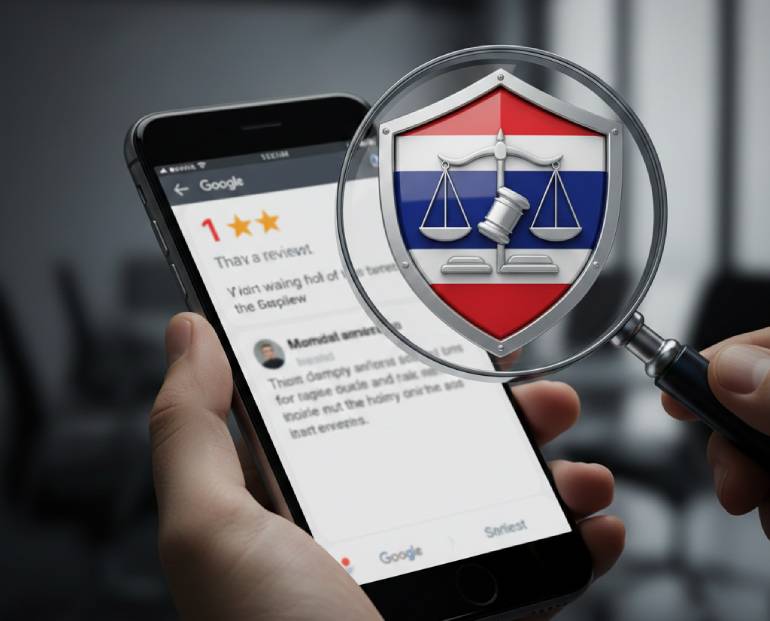
Defamation on social media is also governed by the Computer Crime Act B.E. 2560 (2017).
Under Section 14(1), uploading or sharing false information that damages another person’s reputation can be considered a computer-related offense, carrying heavier penalties than traditional defamation.
This means that Facebook posts, tweets, or TikTok videos can trigger both criminal defamation and cybercrime liability. Even deleted posts can still be used as evidence through screenshots.
What Counts as Defamation Online?
-
- Negative reviews: Claiming a business “scams customers” without proof.
- Personal attacks: Accusing someone of misconduct without verification.
- Leaked chats: Sharing private messages that harm reputation.
- Influencer callouts: Suggesting wrongdoing by brands or individuals.
- Satirical content: Memes or jokes implying false misconduct.
Even sharing someone else’s defamatory post can make you legally responsible.
What Is Not Defamation
Not all negative statements are defamation. Thai courts distinguish between false harmful statements and fair comment.
- True statements supported by evidence
- Fair criticism made in good faith (e.g., honest reviews)
- Public interest reporting or whistleblowing
However, even true statements may be unlawful if made with malicious intent or if they disproportionately harm privacy or reputation.
Penalties for Online Defamation in Thailand
- Criminal Code (Section 328): Up to 2 years’ imprisonment and/or THB 200,000 fine.
- Computer Crime Act (Section 14): Up to 5 years’ imprisonment and/or THB 100,000 fine.
Victims may also pursue civil claims for damages, including emotional distress and business loss.
How Businesses Can Protect Themselves

- Monitor online reputation and mentions regularly
- Document evidence of harmful or false posts
- Respond professionally without emotional escalation
- Consult legal professionals when needed
- Implement clear social media policies for staff and influencers
How to Avoid Defamation as a Social Media User
- Verify information before posting
- Focus on facts, not emotional accusations
- Avoid sharing private or sensitive data
- Correct or retract misleading posts quickly
Online content spreads quickly, but legal consequences can last much longer than a post.
Conclusion: Think Before You Post
In the digital age, everyone has a platform — but also legal responsibility. Under Thai law, even opinions can become defamation if they damage reputation unfairly.
Freedom of expression is protected, but it must be balanced with truth, intent, and respect.
Before posting, ask yourself:
- Is it true?
- Is it fair?
- Is it necessary to say publicly?
These questions can make the difference between a viral opinion and a legal case.