
Vendor contracts are essential for business operations, but Thai companies often overlook hidden liabilities embedded in agreements. Failure to spot these risks can result in financial exposure, legal disputes, or operational interruptions.
From indemnity obligations to unclear termination clauses, understanding the details of vendor contracts is critical for protecting your business.
Indemnity and Liability Clauses
Many contracts include indemnity provisions, which may shift risk to your business unexpectedly:
- Vague language can create broad liability
- Unlimited liability clauses can expose your company to high financial risks
- Joint liability with vendors may hold your business responsible for their mistakes
Best practice: Limit indemnity obligations, define the scope of liability clearly, and ensure caps on financial exposure.
Hidden Obligations and Fees

Vendor contracts may contain automatic fees, penalties, or renewal obligations that businesses fail to notice:
- Auto-renewal clauses that extend terms without explicit consent
- Hidden service fees or cost escalation clauses
- Obligations to provide data, reports, or support beyond the agreed scope
Tip: Scrutinize all fee structures and recurring obligations to avoid surprise expenses.
Intellectual Property Risks
Vendor agreements can unintentionally affect IP ownership or usage rights:
- Work-for-hire clauses may assign IP to the vendor instead of your company
- Licensing terms may restrict your commercial use of software or content
- Third-party IP included in deliverables may carry infringement liability
Ensure IP clauses protect your ownership and usage rights while limiting risk.
Termination and Exit Risks
Vendors may include restrictive termination clauses that create hidden liabilities:
- Long notice periods that prevent switching vendors quickly
- Early termination penalties or financial obligations
- Obligations to return materials or reimburse costs
Custom termination clauses help businesses exit safely without excessive penalties.
Compliance and Regulatory Exposure
Many contracts fail to clearly address regulatory compliance, exposing companies to risk:
- Vendors may not meet Thai labor, tax, or data privacy regulations (PDPA)
- Your company may be held responsible for vendor non-compliance
- Contracts often lack obligations for audit, reporting, or corrective measures
Include clauses requiring vendors to adhere to local laws and regulations, with clear remedies for breaches.
Data Protection and Confidentiality
Data handled by vendors is a common source of hidden liability:
- Inadequate security measures can lead to data breaches
- Confidentiality clauses may not cover subcontractors or third parties
- Data-sharing obligations must comply with PDPA and industry standards
Contracts should specify data protection responsibilities and breach reporting protocols.
Risk Management Strategies
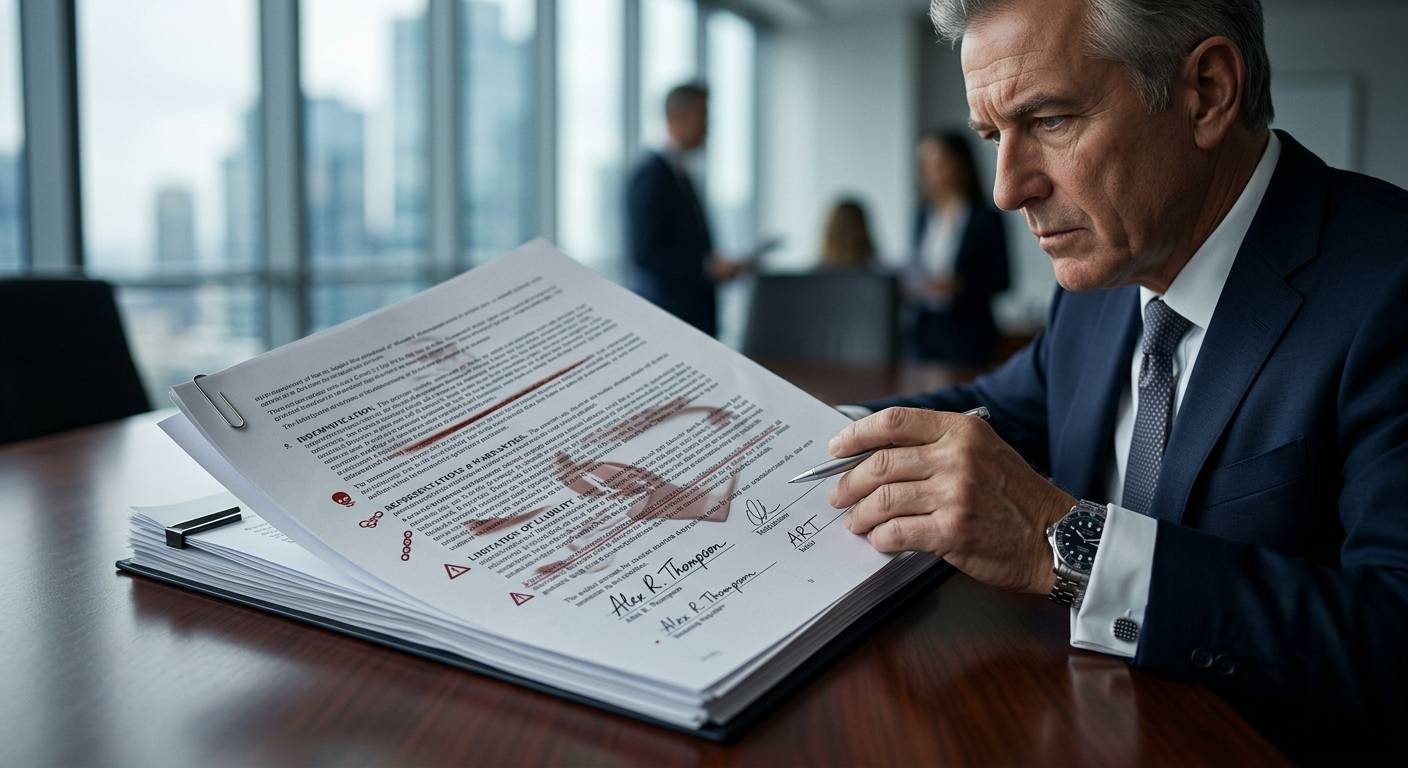
To minimize hidden liability, Thai businesses should:
- Conduct a thorough review of all vendor contracts
- Negotiate caps on liability, indemnity limits, and clear obligations
- Include audit rights and compliance clauses
- Maintain documentation of negotiations and approvals
- Engage legal counsel for complex agreements
Proactive measures reduce financial exposure and safeguard business operations.
Regular Contract Audits
Even after signing, periodic contract audits are crucial:
- Identify evolving risks due to regulatory changes or vendor performance issues
- Update terms for data protection, liability, and service obligations
- Monitor vendor compliance with contractual and legal requirements
Regular audits ensure that your agreements remain protective and relevant.
Protect Your Business from Hidden Liability
Vendor contracts are more than administrative formalities—they are risk management tools. Thai businesses must carefully review indemnities, fees, IP, termination clauses, compliance, and data obligations to avoid hidden liabilities.
By conducting detailed contract reviews, negotiating protective terms, and implementing ongoing audits, companies can reduce exposure, strengthen vendor relationships, and maintain legal compliance, ensuring long-term operational and financial stability.