
Contracts form the backbone of commercial activity in Thailand. But even well-drafted agreements can encounter breaches: payments may be delayed, goods may not be delivered, or services may be unsatisfactorily performed. When disputes arise, Thai law provides a framework for enforcing contractual obligations and seeking remedies through the courts. Understanding these remedies ensures parties can protect their interests and recover losses effectively.
Understanding Contract Enforcement in Thailand
The Thai Civil and Commercial Code (CCC) governs contracts and their enforcement. Under Thai law, parties can pursue remedies to:
- Ensure specific performance of contractual obligations
- Seek monetary compensation for losses
- Terminate the contract when performance is substantially breached
- Request injunctions or interim measures to prevent further harm
The goal is to balance fairness with the protection of legitimate expectations, allowing businesses and individuals to rely on the enforceability of their agreements.
Specific Performance: Enforcing the Obligation

One of the primary remedies under Thai law is specific performance, where a court orders the breaching party to fulfill their contractual duties. Courts typically grant specific performance when:
- The obligation is clearly defined and legally possible to perform
- Monetary damages alone would not adequately compensate the injured party
- The action does not involve personal service or subjective tasks that the court cannot supervise
This remedy is often applied to transactions involving:
- Real estate transfers
- Delivery of unique or rare goods
- Contracts requiring precise performance
Specific performance is particularly important when the subject matter is irreplaceable or has significant commercial value.
Damages: Monetary Compensation for Breach
When specific performance is not feasible or insufficient, the injured party may claim damages to cover losses. Thai law distinguishes between:
- Actual loss (damnum emergens): Direct financial harm suffered due to breach
- Foreseeable lost profits (lucrum cessans): Profits reasonably expected from the contract
Damages must generally be foreseeable at the time of contracting, except in cases of intentional or grossly negligent breaches, where courts may allow broader recovery. Proper documentation and evidence of loss are essential to support a damages claim.
Contractual Penalties and Liquidated Damages
Many Thai contracts include pre-agreed penalties or liquidated damages for non-performance, such as late delivery or delayed payments. Key points to note:
- Courts may reduce penalties deemed excessive
- Penalties must be proportional to the harm suffered
- Well-drafted clauses clarify expectations and provide a predictable remedy
Including fair and enforceable liquidated damages clauses is a proactive way to mitigate risks.
Termination and Restitution
Severe breaches may allow the injured party to terminate the contract and seek restitution, restoring both parties to their pre-contract positions. Grounds for termination typically include:
- Fundamental non-performance
- Repeated or incurable breaches
- Failure to perform within a reasonable cure period
Termination not only ends the obligation but also facilitates recovery of payments, goods, or other property.
Injunctions and Interim Measures
Before final judgment, parties can request interim measures to prevent further damage, including:
- Freezing bank accounts or assets
- Preventing the sale or transfer of disputed goods
- Temporarily suspending contractual obligations
Courts grant injunctions when there is urgency, risk of irreparable harm, and sufficient evidence of the breach.
Enforcing Judgments in Thai Courts
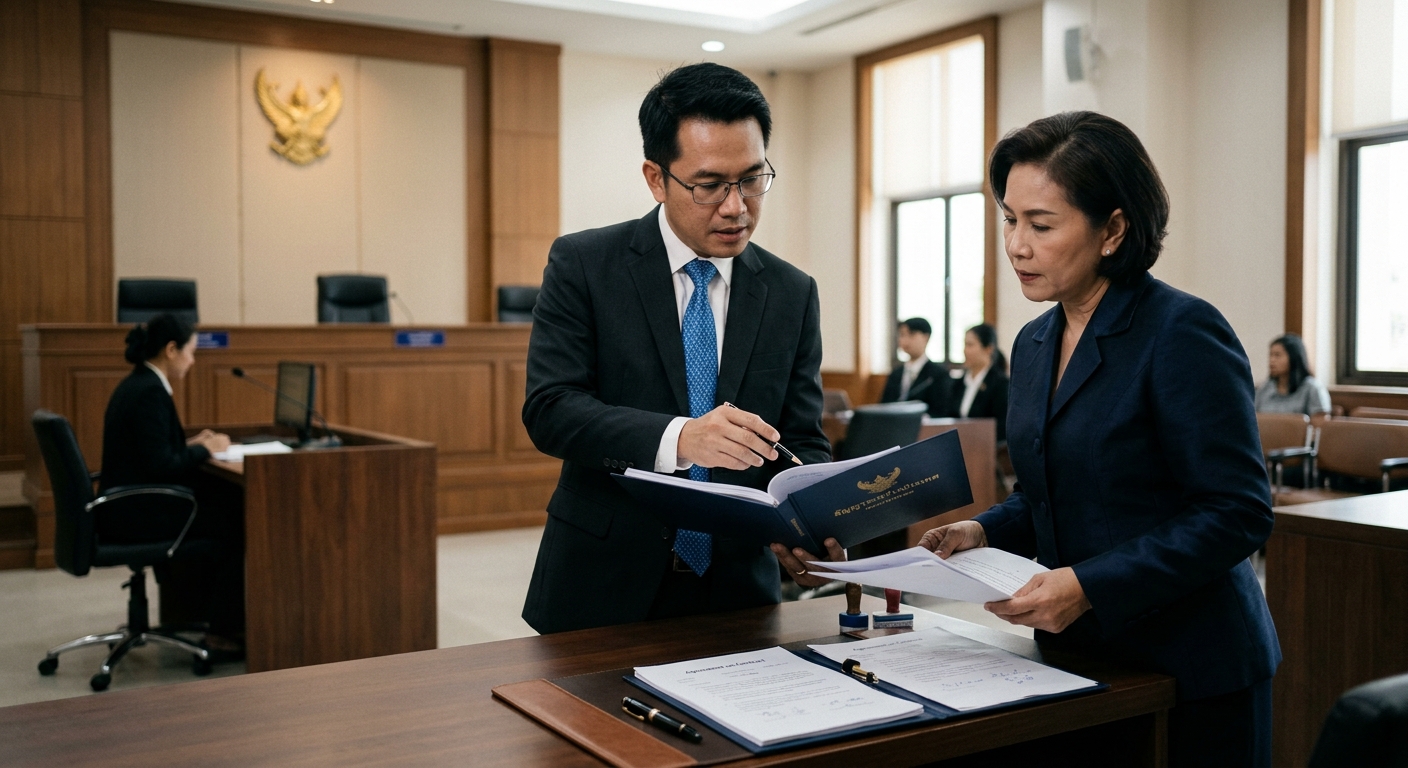
Once a court issues a judgment, enforcement mechanisms may include:
- Seizure and auction of assets
- Garnishment of bank accounts or receivables
- Registration of court orders affecting property rights
Foreign judgments generally require recognition or a new filing in Thailand before enforcement, highlighting the importance of local legal expertise.
Best Practices for Thai Businesses
To strengthen contractual enforcement:
- Draft clear, detailed agreements specifying obligations and remedies
- Include liquidated damages or penalty clauses for predictable outcomes
- Maintain documentation and evidence of performance and losses
- Ensure compliance with Thai contract law and procedural rules
- Seek legal advice promptly to prepare for disputes
Proactive planning reduces disputes and improves the likelihood of favorable enforcement.
Conclusion
Contractual remedies in Thailand provide multiple pathways to enforce performance, from specific performance and damages to termination, injunctions, and liquidated damages. By understanding these remedies and integrating strong contract drafting and documentation practices, businesses and individuals can protect their rights, reduce risk, and ensure that contractual obligations are respected.